


 SIGN UP FOR OUR

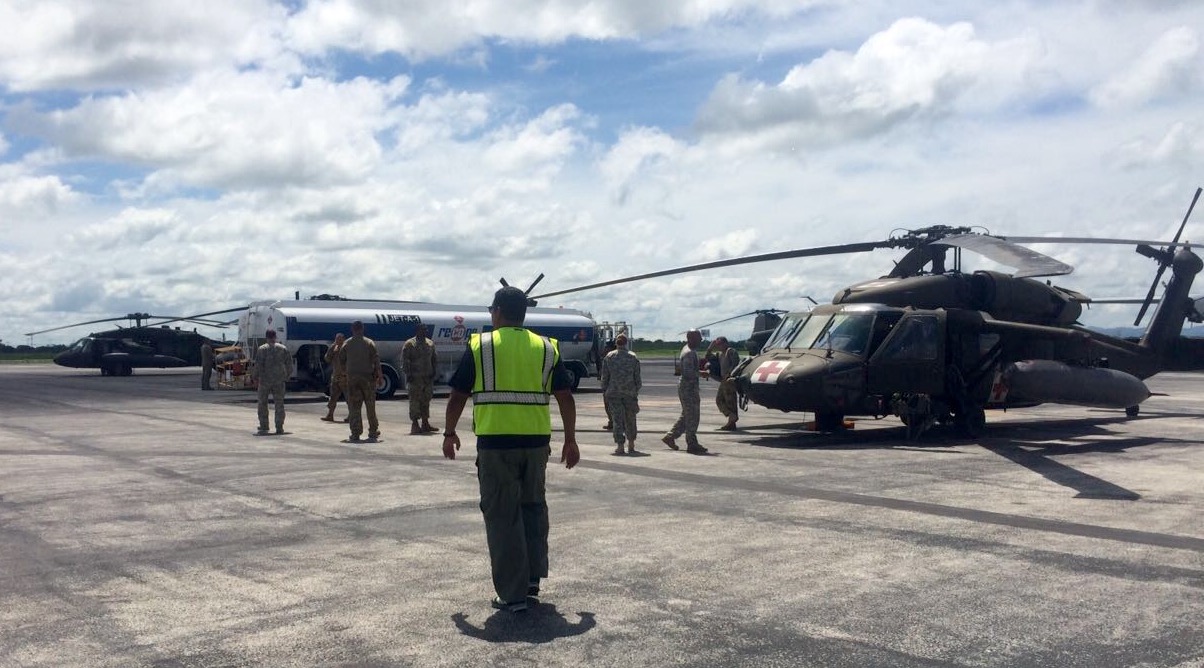
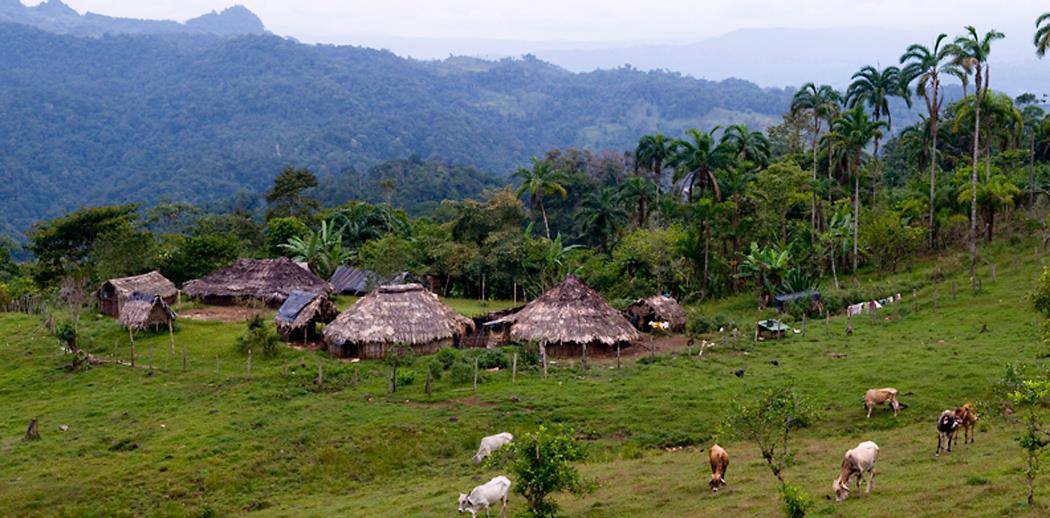
Costa Rican health officials will be assisted by four U.S. helicopters next week on a first-ever building project in the remote indigenous Talamanca region in the country’s Limón province.
The country’s public health system administrators, the Costa Rican Social Security Agency or CCSS, will require the fly overs to do an exploratory tour, and also to transfer construction materials that will be used to build two health posts, said the CCSS in a statement.
The facilities will be built in Piedra Mesa and Bajo Blay, in the district of Telire, county of Talamanca, to improve access to health care services for residents of two of Costa Rica’s most inaccessible indigenous territories.
With the assistance of two U.S. helicopters from the Bravo Joint Task Force (JTF Bravo), a team of specialists in engineering and architecture from the CCSS will put in place logistics for air transportation of the building materials.
According to architect Paquita González Haug, director of CCSS special projects, the aircraft and their crew, together with representatives of the construction company, will be aided by the United States Embassy in the fly-overs to determine the type of helicopters that will be required for the transfer of the materials, and also to decide on the landing points.
The project planners said that from June 26- 30, four U.S. helicopters would be engaged in the transport of the health post materials including zinc sheets, pipes, cement, water tanks and wood.
A special agreement was reached between the CCSS and the indigenous communities to set aside land for the infrastructure, said González Haug.
The two health posts will be “visited periodically by personnel from the CCSS primary health care team, and will include an observation area, a regular care office, dentistry, nursing, wound treatment, vaccinations, and a waiting area,” detailed the CCSS.
The posts will have also include a dorm room for the officials who visit to provide health care, as well as a room for those requiring overnight care and another for relatives of patients who travel far distances to the post and/or who may need to remain under observation.
The buildings feature unique design features such as ecological latrines located outside the buildings at the request of the indigenous residents. Likewise, because there is no electricity in the area, various ecological practices will be implemented for water treatment and for using low-power equipment, and solar panels will be used for generation. Special care will be taken to manage solid waste to avoid contamination, said the CCSS.
The infrastructure, and future regular, though intermittent, staffing of the posts is a historical accomplishment for the CCSS, said González Haug.



