


 SIGN UP FOR OUR

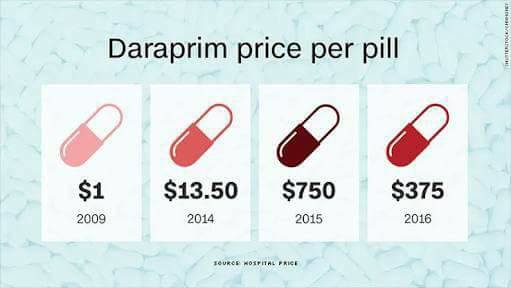
The U.S. Senate Special on Aging found hikes as high as 5,000 percent in prices of some prescription drugs.
The panel’s 2016 investigation looked at four pharmaceutical companies and public hearings on sudden price spikes in decades-old medications, and the pricing imposed by drug industry entrepreneur Martin Shkreli and other healthcare industry executives.
The high prices are making vital medicines unaffordable to many in the U.S., and is generating broader economic instability in households across the country, a new congressional report warned Wednesday.
Turing Pharmaceuticals and Retrophin (RTRX), two firms once headed by Shkreli, embattled drugmaker Valeant Pharmaceuticals International (VRX) and Rodelis Therapeutics are among companies that dramatically raised prices on some decades-old, off-patent drugs they acquired and controlled through monopoly business models, the report said.
Sen. Claire McCaskill, D-Mo., the panel’s ranking minority member, criticized what she termed the “predatory” hedge fund model of drug pricing. She called it “immoral for the patients and taxpayers who ultimately foot the bill—especially for generic drugs that can be made for pennies a dose.”
The pharmaceutical companies and Shkreli did not immediately respond to messages seeking comment on the report, which focused on the impact spiraling drug prices can have on ordinary Americans, said USA Today.
One was Isla Weston, a North Carolina infant who was diagnosed with a life-threatening parasitic infection called toxoplamosis in May 2015.
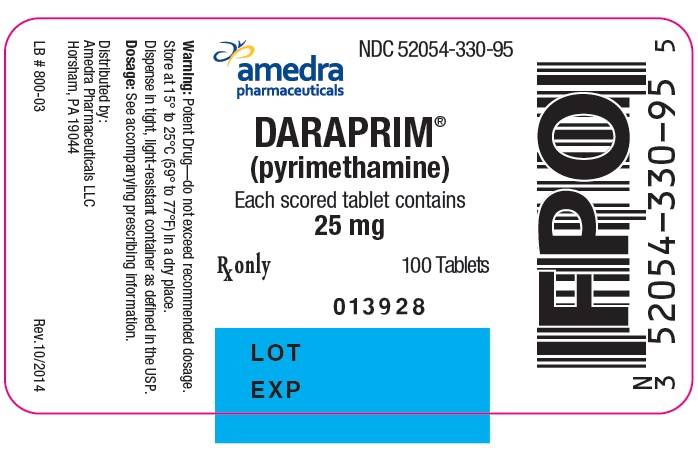
Daraprim, a drug that has been available since 1953, is considered the standard treatment for the infection. Shannon and Joshua Weston, the baby’s parents, found that Turing Pharmaceuticals raised the per-tablet price of the medication by more than 5,000 percent—from $13.50 to $750—shortly after acquiring the drug’s rights from another company.
“I was hopeless and depressed at the thought of what would happen to my perfect little girl if I was not able to help her,” Shannon Weston said during a March hearing held by the Senate committee. “I looked into any way I could think of to come up with the almost $360,000 necessary to treat my daughter for a year with a drug that she needed.”
The baby ultimately received at least a year’s supply of the drug for $200 a month from the University of North Carolina Medical Center’s pharmacy, Weston testified.
Tribune Content Agency, LLC



