


 SIGN UP FOR OUR
 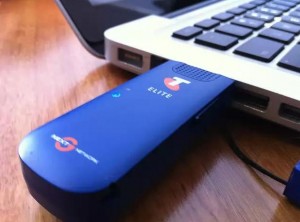 The days of unlimited downloading using your smartphone or 3G wireless modem (known in Costa Rica as “datacard”) may soon be over. According to an article published by online financial news daily El Financiero, the Superintendency of Telecommunications (SUTEL in Spanish) is looking at establishing a “fair use” policy that could allow wireless carriers to offer metered data plans or bandwidth throttling to regulate consumption.
Under the current status quo, Ticos enjoy unlimited 3G Internet access on mobile devices such as smartphones and feature phones. The data transmission speed ranges from 128 Kbps up to 4 Mbps, according to how much each user is willing to spend on monthly subscriber plans or pay-as-you-go prepaid options. The advertised speed tends to vary widely, though. In the past, tests performed by The Costa Rica Star on a Claro prepaid SIM chip revealed that both the upstream and downstream data transmission rates were lower than indicated, albeit very inexpensive.
The unlimited 3G broadband access means that many Ticos are content with checking out viral videos on YouTube, downloading films and apps from Netflix and Google Play, upload photos to Facebook, and many other online activities without having to worry about additional costs.
The Downloading Frenzy
According to data provided by ICE, 5 percent of mobile Internet subscribers consume 45 times more data than the other 95 percent. This means that these download junkies consume about 1 GB of data per month, whereas most Ticos download approximately 20 MB each month.
The problem is that these high-frequency users creates network load issues that end up creating connectivity problems for those subscribers who utilize a “rational use” approach to wireless broadband. A study conducted by the Ministry of Communications in November of last year revealed that out of 2,500 people in Costa Rica, 82.5 percent have at least a basic voice and SMS wireless plan, but only 33 percent reported Internet connections. These figures are estimated to have increased since then.
The Metering and Throttling Proposal
The SUTEL has hinted at different options to regulate the use of 3G broadband. One would be to reduce the speed of data transmission for a subscriber who goes over a certain amount of downloaded content. Another would be to come up with plans that specify the amount of data allowed; for example, no more than 2GB per month for a set fee.
Opposition to the Proposal
Spokespersons from the Technological Investigation Club and the Chamber of Information Technology and Communications (CAMTIC in Spanish) have voiced their disagreement with the measures proposed by SUTEL. The basis for their disapproval emanates from the relation between increased Internet access and improved productivity figures.
Another reason cited by the opposition is that throttling and metering would get in the way of the government’s initiative to bridge the digital divide in the Costa Rica.



