


 SIGN UP FOR OUR
Click image to enlarge

Editor’s note: The views expressed by guest columnists are not necessarily those of The Costa Rica Star, its advertisers, or its staff.
Finally the Democrats are talking about something that will get a lot of attention besides Russia Fever – single-payer universal healthcare – just like most of the civilized world already has.
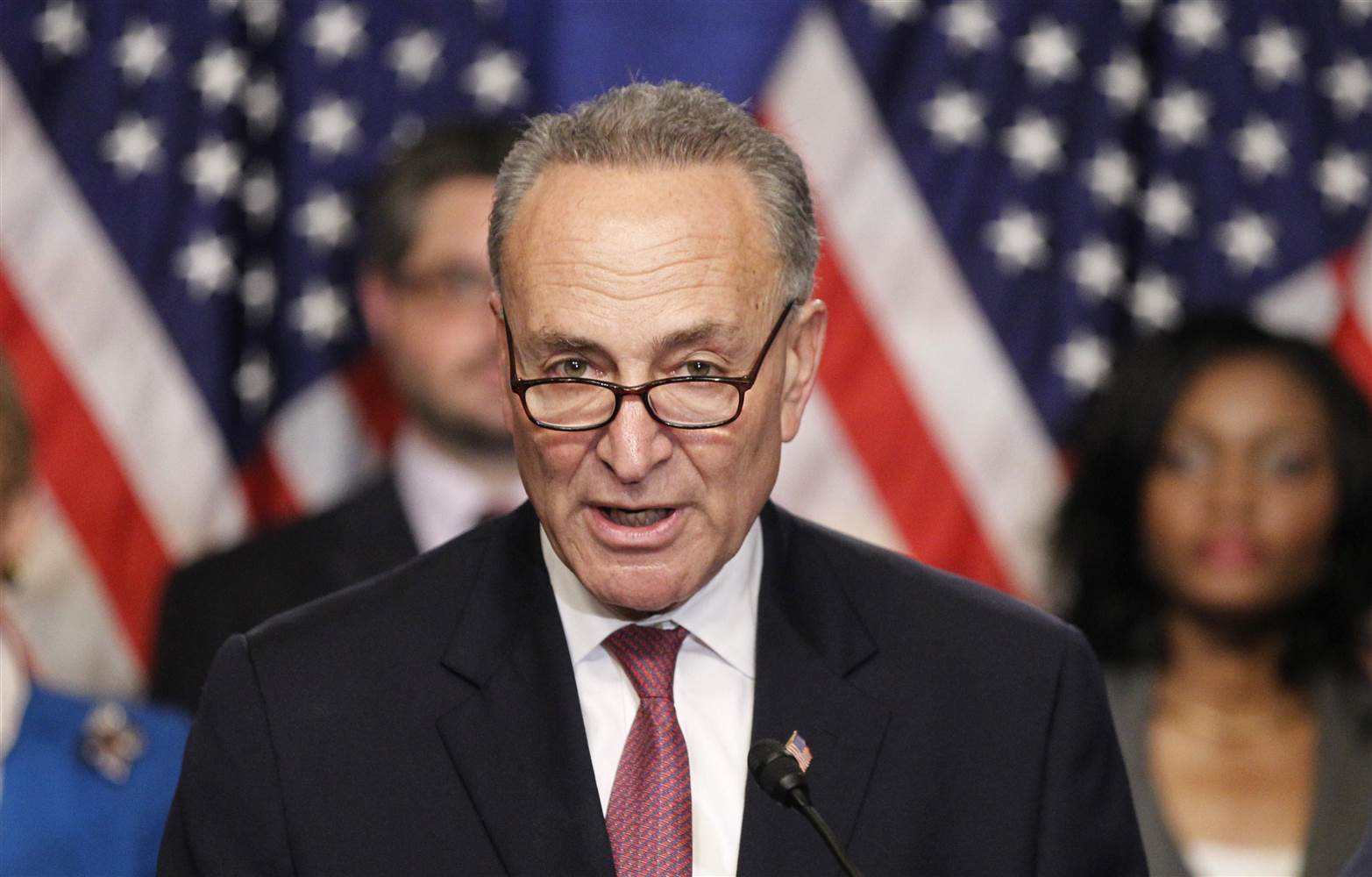
“Single-payer is on the table,” said U.S. Sen. Chuck Schumer (D-NY), Senate minority leader. His comments came this week as the ongoing healthcare saga plays out again in Washington.
Healthcare followed by the economy are the big two issues voters will consider come next year’s national mid-term elections November 6, 2018. To think otherwise is foolish. But healthcare is the number one issue now that the New York Stock Exchange – a barometer of overall economic health – is at record highs never before seen topping 21,700 on Wednesday.
The on-going case of an 11-month-old boy in England with a rare genetic disorder that the English doctors and courts have prevented from going to the U.S. for a last-ditch treatment without regard to the wishes of the parents has served to give single-payer healthcare another black eye in the view of Americans. This is a sad, isolated case that should not serve as a reason not to have single-payer healthcare in America.
With a country as prosperous as the U.S. not having single-payer healthcare is not right, because it should be a ‘right’ for all American citizens to have access to whatever healthcare they need. The trick is there should be no discernable difference with a new single-payer healthcare system and the present level of healthcare in America.
Basically it’s putting everyone into Medicare and eliminating the 20 percent patient payment. This everyone can understand, unlike ObamaCare, or the pending TrumpCare.
Keeping present staffing levels at doctor offices, clinics, hospitals and pharmacies nationwide must be written into any new single-payer healthcare law, which would remove the obscene profits made from healthcare in America including Big Pharma.
The greater medical community should be forbidden from reducing staff and services to protect profits. This is often what happens when a country moves to single-payer healthcare. Staffs are cut, services are reduced, waiting lines grow longer, surgeries are postponed and on and on, which all serve to give single-payer healthcare a bad name. Single-payer opponents use this argument all the time. But it doesn’t have to be this way.
What doctors and hospitals charge for services must come under greater scrutiny, prices must be forced down and controlled. Do chain-hospital CEO’s really need to make to upwards of $70 million a year?
Republicans will not be receptive to single-payer healthcare.
They will say America’s budget cannot handle this tremendous burdensome cost, and that’s true — that’s why far-reaching budget cuts will be necessary. The bloated size of government must be reduced. It would be a true government revolution in America to bring healthcare to every American citizen as a right.
The rich and powerful American Medical Association of doctors will fight single-payer healthcare until their last breath, but it’s coming. It’s inevitable.
There is also a chance that President Trump may be supportive of single-payer healthcare in direct contrast to mainstream Republicans and down the road beat the Democrats at their own game. The president, soon after being elected, held meetings at the White House with the Australian Prime Minister Malcolm Turnbull, whose country has had single-payer healthcare for years. He is on record saying to Turnbull, “You have better healthcare than we do.”
It may take several election cycles but sooner or later single-payer healthcare will come to the USA, whose duty is to protect the present level of care and force lower costs upon the entire medical establishment, including Big Pharma. The voters will demand it.
About the Author
Britt Nelson relocated to Costa Rica in 2011 from Florida, where he served as news editor for the Palatka Daily News, a newspaper owned by the New York Times Regional Newspaper Group (NYT-RNG) for 20 years.
Nelson served the NYT-RNG for 18 years in Tennessee, Kentucky, Virginia, North Carolina and Florida as a correspondent, reporter, staff writer, senior staff writer training new reporters, copy editor, page designer, editorial writer, editorial page editor and editorial board member.



