


 SIGN UP FOR OUR
 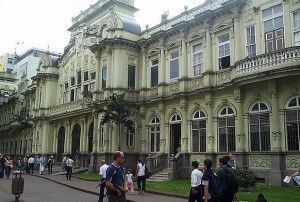 Correos de Costa Rica recently completed its formulation of numbered postal codes for the entire country. The system is now similar to the ZIP+4 utilized by the United States Postal System. The switch to a numbered code system comes after a century and a half of operation by our postal service without needing one.
The new system is codified by province, canton and district. For example, if some wishes to send a letter to President Laura Chinchilla, the sender will have to include the postal code 10105; whereby the first digit “1” corresponds to the province of San Jose, the “01” indicates that the location is in the San Jose canton, and the last two digits help the letter get closer to its ultimate destination of Casa Presidencial in the Zapote district. Sending the President a Tweet may be faster, though.
Those who live near the Turrialba volcano in the Cartago province have been assigned a 30501 code, while those living in downtown Limon are covered by the 70101 postal code. Under this system, mail users will no longer have to worry about their letter addressed to a recipient in Puerto Viejo de Sarapiqui in the Heredia province ending up in Puerto Viejo de Limon near Sixaola.
For the most part, mail delivery in Costa Rica still follows the archaic addressing system based on old landmarks and geographical directions that manage to baffle and disorient even veteran mail carriers. It remains to be seen whether Ticos will conform to the new postal code system; not just out of sheer traditionalism, but also because the post office itself is looking at its options to continue operating in the 21st century.
The Future of the Postal Service in Costa Rica
In a February interview with La Nacion, the General Manager of Correos de Costa Rica recognized that, while the days of the hand-delivered letter as a means of personal communication in Costa Rica are over, it will probably not entirely disappear yet. The postal service is concerned about its future, and to that extent is offering other services, such as bill payment and special interbank courier service.
Valentine’s Day telegrams and call center services for government institutions like the Central Bank will keep postal employees busy for the time being. General Manager Alvaro Coghi Gomez sees the postal service becoming semi-privatized in the future (like ICE) in order to compete with the onslaught of electronic communications and commercial delivery services that boast armies of motorcycle couriers armed with sophisticated equipment like GPS, bar code scanners, and smartphones.
There were a little over 550 mail couriers working full time at the post office last year. Most ply their trade on foot, motorcycle, and on horseback in the case of some very remote rural areas. Not too many are worried about their jobs going away, though. The modernization plans of the postal service seem to be paying off, as it is one of the very few government institutions that reported a budget surplus of $480,000 last year.



