


 SIGN UP FOR OUR

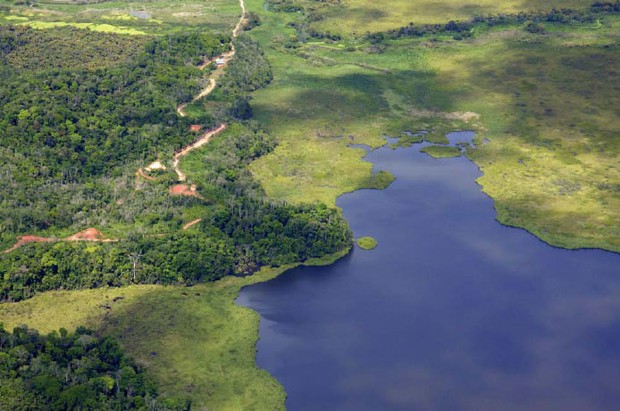
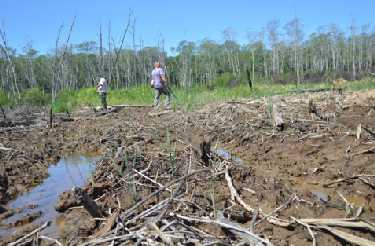
It takes just a quick online search to find information and reports about the destruction of this important Costa Rican ecosystem, some dating back to 2011, and we are confident there was plenty of data available and alerting of the situation prior to this, yet in 2017 instead of seeing progress there are still reports of illegal human activity that keeps destroying this important wetland.
Let’s start with a quick explanation of what wetlands are and why they are important; wetlands are saturated land, the definition given by the United States Environmental Protection Agency – Wetlands Protection and Restoration Home is:
“Wetlands are areas where water covers the soil, or is present either at or near the surface of the soil all year or for varying periods of time during the year, including during the growing season. Water saturation (hydrology) largely determines how the soil develops and the types of plant and animal communities living in and on the soil. Wetlands may support both aquatic and terrestrial species”.
Wetlands protect and improve the water quality, they provide wildlife habitats, they store floodwaters and maintain surface water flow during dry periods. There are many animals that depend on the wetlands for their life cycle, and in general they are an important part of keeping the balance in many ecosystems.
The Terraba-Sierpe wetland is located in the south of Costa Rica in the Osa Peninsula, Province of Puntarenas, 280km from San Jose . It is one of the largest mangrove reserves in Central America involving over 30,000 hectares that include estuaries, river deltas, swamps, lakes, forests and beaches, one of the most bio diverse areas of the country; only 14,000 out of the 30,000 hectares are protected wildlands the rest of the area involves State property and private properties, however, and regardless of who the owner is, the law in Costa Rica prohibits any activity that could endanger or negatively affect the ecosystem. This, of course, does not translate to reality as many of the private owners hold activities within their properties and off their limits that damage the ecosystem.
Drainage is a common activity, and many times they disrespect the protected areas bringing in construction equipment close to the Sierpe lake. Diario Extra, a national newspaper informed about one of this cases on March 17 of this year, when park rangers found a fire and bulldozers performing illegal draining and dredging inside the Sierpe lake, the affected area involves approximately 10 hectares, where they also found an area of almost 1 kilometer were trees had been cut and land had been flattened, authorities suspected they intended to use it as a landing strip or road.
Deforestation, sedimentation, wildfires, farming activities, draining and dredging are the most common activities affecting the area. Park rangers report that the water level has gone down considerably, to a point where in a matter of a year some areas went from having a depth of 1.5 meters to just 30 centimeters.
One of the proposed solutions is that the government acquires the private properties, since the damage is caused mainly by the owners of these lands in their eagerness to make money off their land.
Other wetland areas like Palo Verde have taken a hands-on disposition to recover the affected areas.



