


 SIGN UP FOR OUR
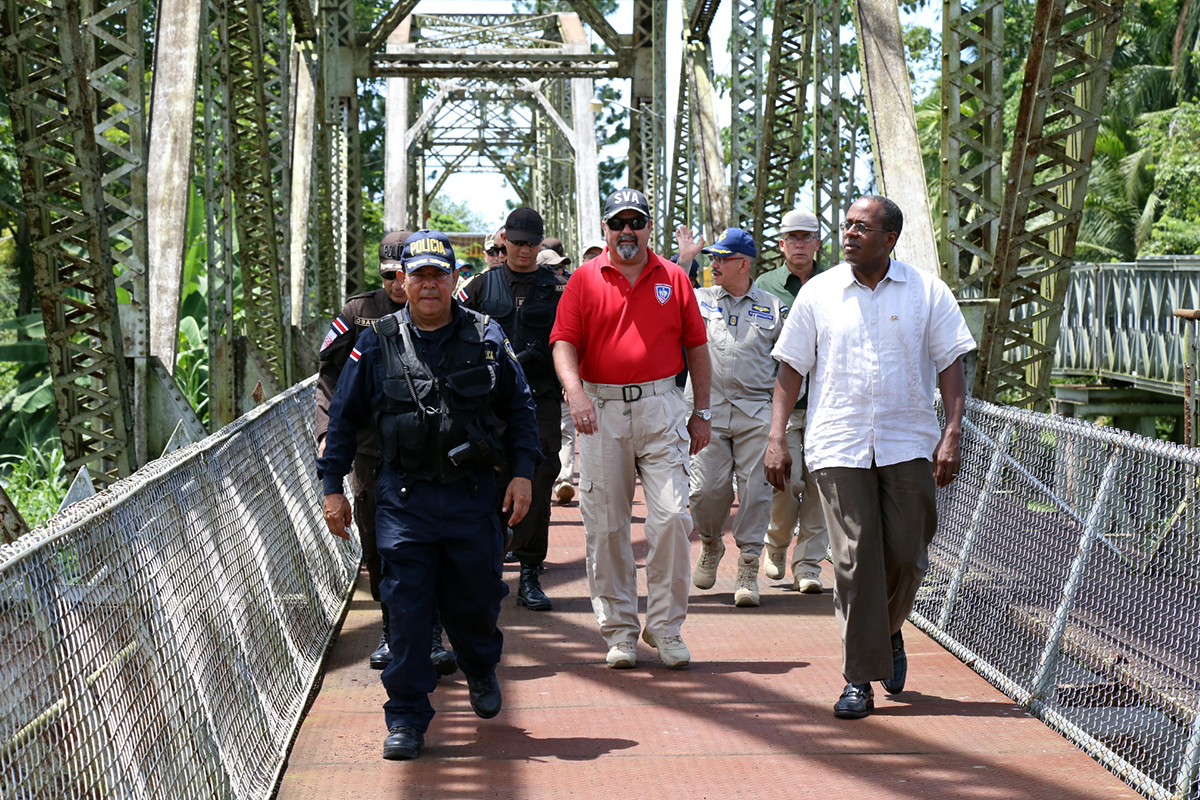
The Government of Panama announced Friday it will reduce the stay in the country for Nicaraguan, Colombian and Venezuelan tourists from 180 to 90 days as part of a policy of tightening controls over foreigner visitors. This, and other controls by Panama, may lessen some of the flow of undocumented migrants into Costa Rica over its southern border.
The Panamanian migration service has detected foreigners using their tourist visas to stay in the country for long periods of time – common practice in Costa Rica for many foreigners as well. After their 180-day (six months) stay is up, many leave for a short time and then re-enter as tourists.
The situation led to several dozen Venezuelans being stranded in March in Paso Canoas, at the border between Panama and Costa Rica, when over Easter they attempted to leave Panama and re-enter.
When Panamanian border officials saw the travelers had several subsequent entrance and departure stamps, they refused their re-entry.
To try to make it harder for perpetual tourists, the stays are being reduced to three months for tourists from these three countries, and tourists will also have to certify their income to prove they are coming for tourism and not for work purposes, said Panamanian President Juan Carlos Varela at a press conference on the new measures.
The new visa measures will be formally approved this week by the Panamanian Ministry of Security, which said they will also tighten controls to monitor the criminal records of foreigners entering the country, as has Costa Rica in recent weeks, said the Panamanian President’s office.
Both Costa Rica and Panama are attractive destinations for setting up a new life for Venezuelans, Colombians and Central Americans fleeing difficulties in their home countries.
Costa Rica struggled to deal with thousands of Cubans who poured over the Panamanian border between 2015 and 2016, finally receiving aid to fly them out of Costa Rica; and undocumented immigrants from a variety of countries, including African and Asian nations, continue to find their way over the porous southern border which security officials have been working to monitor more closely.



