


 SIGN UP FOR OUR
 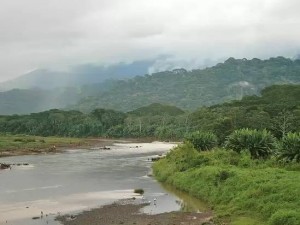 This coming June, Costa Rica will celebrate a few events dedicated to environmental protection. One is World Environment Day, which this year will be centered on Green Economies. A more important and localized event will focus on the health of our rivers, particularly in the Central Valley and the Greater San Jose Metropolitan Area (GAM in Spanish).
Minister of the Environment Rene Castro spoke to Diario Extra about a new initiative that will launch in June. This initiative aims to protect our rivers with stringent fines issued to river polluters. Minister Castro explained that the initiative will include monitoring of our rivers, as well as a system for the community to report on individuals and business entities that willfully contaminate our rivers with trash, debris, sewage, runoff, and other types of hazardous waste.
The measure will particularly focus on the industrial sector. According to a study recently published by the National University (UNA), the waters of 13 out of 18 rivers and creeks in the Central Valley contain high contamination levels; harmful enough to endanger human life, and even more dangerous to wildlife.
The study, which was performed by researchers of the Environmental Analysis Laboratory of UNA, determined that the worst culprit of pollution is residual waters coming from the industrial sector. Dumping and the improper and excessive use of septic tanks are major contaminant factors.
One of the most troubling findings of the study was the presence of heavy metal pollution in the mouth of the Tarcoles River as it flows out to the Gulf of Nicoya. This means that highly toxic and carcinogenic elements could make their way to our Pacific Ocean and endanger aquatic life. Another issue is the presence of fecal coliform bacteria, which is higher than normal in the province of Limon, and which could put a damper in the water quality at our beaches, a major component of our Bandera Azul (Blue Flag) ecologic program.
No details on the amount of the fines were given, but they will likely be assessed by the average salary of public sector employees for individual infractions. There would be no restrictions on the amount of fines assessed to companies that pollute our rivers, which are the biggest perpetrators in terms of contamination.



