


 SIGN UP FOR OUR
  Students and researchers from all over the world routinely come to Costa Rica to investigate the plethora of species that Nature has blessed us with. Many scientists are finding that the country’s efforts to promote and advance ecotourism are paying off significantly. The Veragua Rainforest Research and Adventure Park is an example of how tourists and scientists can come together and conduct their respective leisure and research activities, without having to worry about getting in the way of one another.
On the blog of the Anole Annals, a place where scientists and investigators of the anolis genus of lizards converge, an American herpetologist recently described his experience at the Veragua Rainforest Research and Adventure Park. The Costa Rica Star previously reported on this place as an example of the different types of venture capital investment projects that Tico businessmen are currently participating in.
Professor Jonathan Losos arrived in Costa Rica to investigate the Puerto Rican cristatellus, an invasive species that has spread from Turrialba south to the border with Panama. This is important research, as the invasive cristatellus is known to feast on our domestic lizards. Losos and his team of herpetologists then moved to the Veragua Rainforest to continue their Anolis research. The team made two important observations:
- There are 12 species in the Anolis genus at the Veragua Rainforest
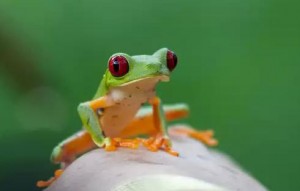
- There are 54 frog species at the Veragua Rainforest, thus making it the most raniferous site in Costa Rica
The second observation is great news for Veragua, as in a previous article we learned that frogs are like precision instruments that measure the health of an ecosystem.
As with many other rainforest recreation and tourism parks around Costa Rica, the Veragua Rainforest features the obligatory set of zip lines to explore the forest canopy. While these rope networks are mostly set up for tourists to shell out their hard-earned dollars for a chance to experience our lush forest canopies, science researchers are also making good use of them, as evidenced by this note written by Losos:
“we were duty bound to use [the ziplines] in our quest to locate canopy dwelling lizards (one probable Anolis lemurinus was cited approximately 25 meters high on a tree trunk).”
Tourists who arrive on cruise ships in Limon are regularly shuttled to the Veragua Rainforest for exciting day trips and canopy tours. These tourists get to enjoy our natural wonders at the same time that researchers continue to catalog the extensive list of plant and animal species contained therein, a good example of how sustainable tourism can be managed.



