


 SIGN UP FOR OUR
 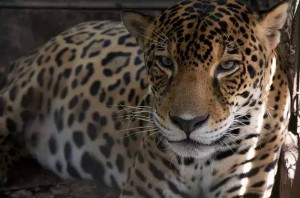 There was a time, not long ago, that things were looking up for our wild feline species. In 2009, digital news daily Costa Rica Hoy reported that the population count of mammals in the Corcovado National Park was gaining density. This increase included ocelots (Leopardus pardalis), known in Costa Rica as manigordos (fat paw).
In 2003, researchers from the International Institute of Wildlife Management and Conservation of the National University (ICOMVIS-UNA) installed a network of cameras in Corcovado at the same time that concerned environmental groups moved in to protect the park. The ICOMVIS-UNA noticed that conservation efforts paid off, as not only more manigordos were spotted 6 years later, but also the larger Panthera oncas (jaguars) exhibited a higher count.
Also in 2009, the Trimbina Natural Reserve in Sarapiqui of Heredia documented several habitats where manigordos were spotted, according to El Pais. It was a promising year for our felines.
Luck Runs Out on the Great Cats
In May of 2011 the Neotropic Foundation and other environmental research and conservation groups issued a grim assessment of the lower branches of the Great Tarcoles River as it nears the northern aspect of the Carara Biological Reserve. Despite the efforts of companies like Bridgestone CR and the EPA Home Center in collecting thousands of tires from the waters and the shores of the Tarcoles as it flows from the Central Valley to the Pacific, years of pollution had caused a significant loss of habitat.
Whenever there is habitat loss, wildlife follows. The pollution of the Great Tarcoles River in northern Carara lead to a decrease in the population of manigordos. Unlike other more resilient species, felines are very sensitive to contamination and habitat destruction.
Then came the dry summer and forest fire season of 2012. In early March, Costa Rica Hoy reported that the massive wildfires of the Chirripo, which were probably started by humans, were causing the death and a chaotic migration of several species -including manigordos and Puma concolor (cougars or pumas).
To make matters worse, a manigordo was hit by a speeding car on route 27 in late March. According to La Nacion, the 4-year old cat was rushed to a veterinarian clinic of the National University, where specialists did all they could. The manigordo fell into a coma and was kept in an animal intensive care unit.
Despite the efforts of the veterinarian team, the manigordo suffered major trauma which affected its nervous system and breathing, according to Radio Reloj. The feline died on March 28th. It has been estimated that approximately 90 mammals were hit in 2010-2011 by speeding automobiles on route 27 as it borders the Carara Biological Reserve, many of them felines.
More grim news followed the death of that manigordo, as La Nacion reported just days ago that a black panther was brutally hunted down, skinned and quartered in the Tapanti National Park in Cartago. The initial report came from social network Facebook, as a group of young men noticed the photo of the dead panther in the process of being quartered by poachers. Hunting panthers and other big cats is a crime in Costa Rica.
Park rangers and OIJ agents searched for evidence of the poaching and found the severed head of the cat. Agents explained to La Nacion that they will track down who has possessions of trophy parts such as the skin and paws. They are gathering additional evidence and planning arrests.
A Sign of Hope
There is at least one reason to rejoice: sightings of felines in the wild in Costa Rica have gone up recently, as can be appreciated in this video shared by a reader of The Costa Rica Star. It shows a puma on a trail near Lapa Rios.
While 2012 has not been a good year for our felines thus far, it’s good to know that they enjoy protected status and that authorities and concerned citizens will do everything possible to ensure that our big cats don’t run out of their allotted nine lives.



