


 SIGN UP FOR OUR



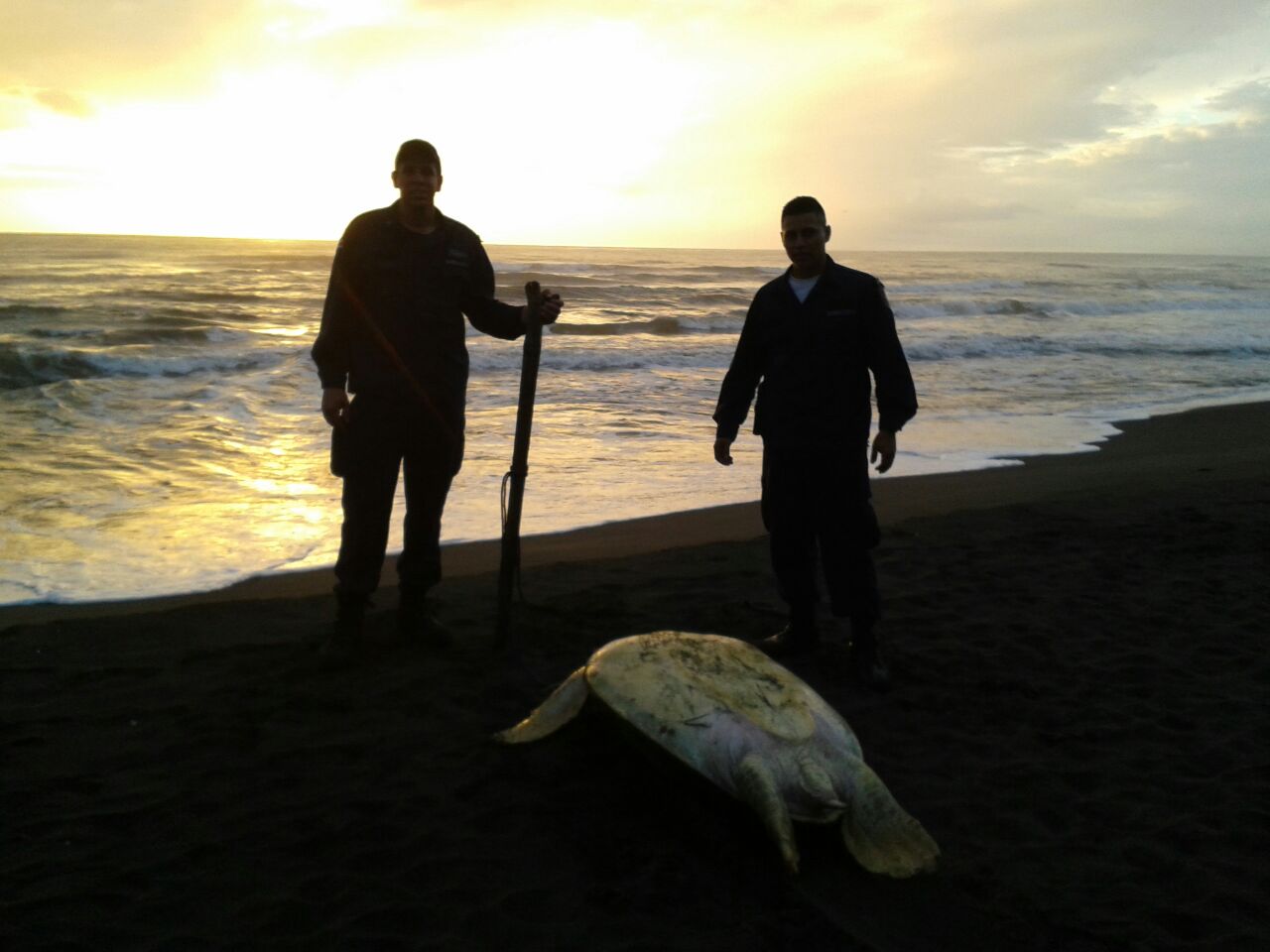
Eight months of night-time and early morning patrols along Costa Rica’s Caribbean beaches paid off for turtles and their eggs, thousands of which were rescued from poachers, said Commander Alexis Umaña, officer of the Barra del Pacuare Coast Guard Station.
From February to September 2017, Coast Guard officials and volunteers with the environmental non-profit organization, Widecast, saved an estimated 24,000 eggs of three different turtle species on the beaches in Barra del Pacuare, in Siquirres, Limón province.
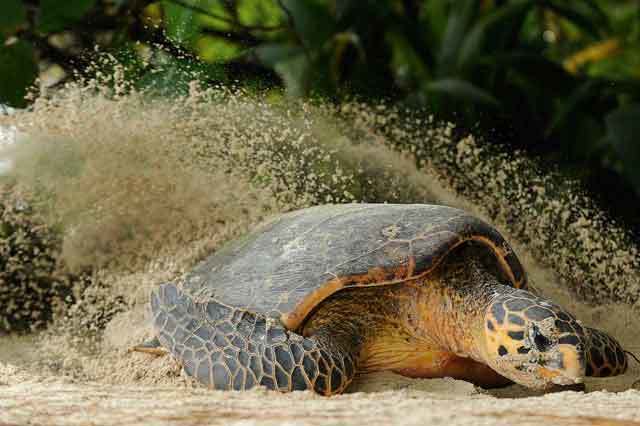
The beach patrol teams rescued 162 leatherback sea turtle nests, 70 green sea turtle nests, and six hawksbill turtle nests, many of which were vulnerable to poachers who have a ready market in bars and local eateries for the eggs.
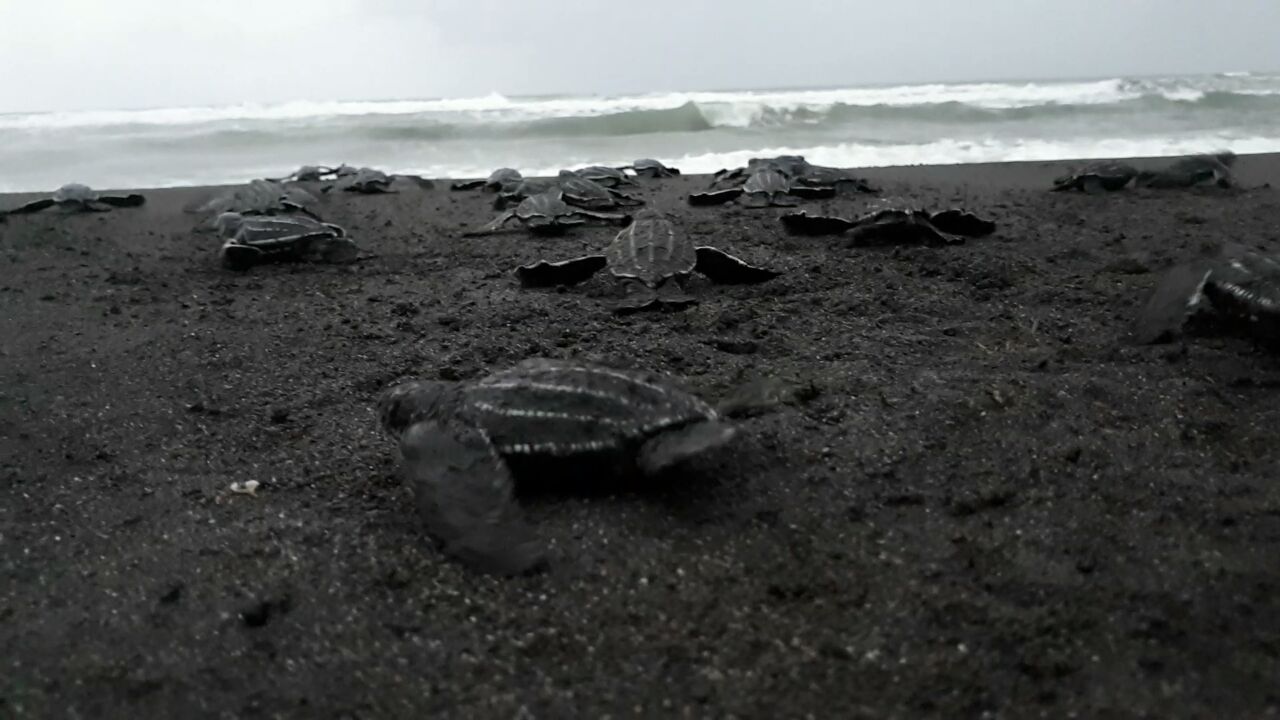
The estimated number of eggs in these nests is 24,000. After hatching, the turtles will continue to face predators, threats and struggles, with an estimated only 1 percent surviving until adulthood. Thus the critical importance of protecting sea turtle eggs and nests.
Widecast, which consists of an expert network of biologists, managers, community leaders and educators in more than 40 nations and territories in and around the Caribbean, runs 10 turtle conservation programs throughout Costa Rica, nine of which are on the Caribbean coast.
The eggs rescued by police and volunteers were relocated to Widecast’s shelters in Barra del Pacuare, where they were safely incubated, as there is a group of foreign volunteers and community guides who take care of them round-the-clock to prevent poachers from raiding the shelter.
On the Caribbean coast, the leatherback turtle’s spawning season extends from February to June, while the green turtle spawns from July to late September. The hawksbill turtle doesn’t have a fixed nesting season.
Wwidecast “is committed to an integrated, regional capacity that ensures the recovery and sustainable management of depleted sea turtle populations. We ask ourselves: What would a sustainably managed sea turtle population look like? What would it look like to a government? To a fisher, a coastal community, a child? To a hotelier, a dive operator, a tourist? What would it look like to a reef, a seagrass bed, a sandy beach? Each of these entities, and many others, relies upon and/or benefits from the sea turtle population in measurable ways,” according to information on their website.
Sea turtles are among the oldest creatures on earth, and have remained essentially unchanged for 110 million years.
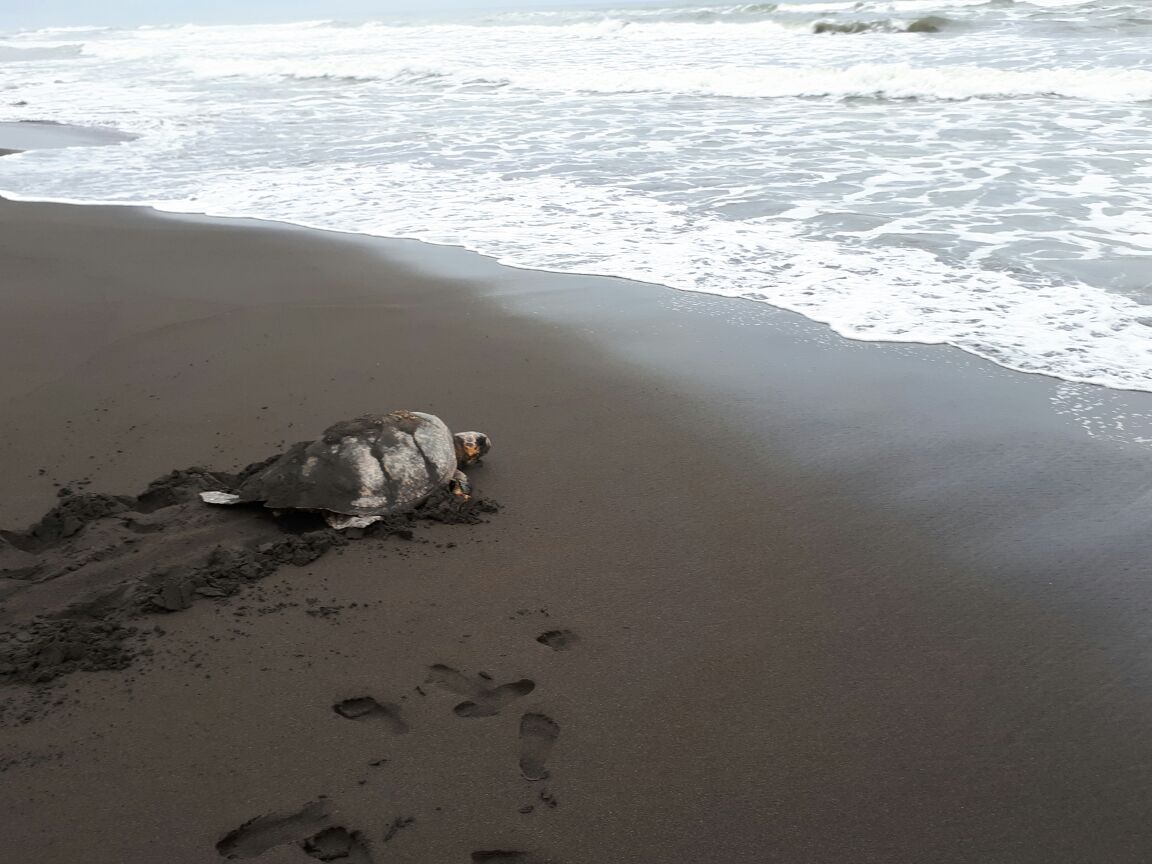
“Mating occurs roughly every 2 to 3 years in shallow waters. In summer, an ancient reproductive ritual begins when the female leaves the sea and crawls ashore to dig a nest in the sand. She uses her rear flippers to dig the nest hole and then she deposits 80 – 150 eggs that look a lot like ping-pong balls.“When egg-laying is complete, the turtle covers the eggs, camouflages the nest site, and returns to the ocean. Nesting turtles may come to shore several times in a nesting season to repeat the process.“As is true for some other reptiles, the temperature of the sea turtle nest determines the sex of the hatchlings. Warmer temperatures produce more females, whereas cooler temperatures result in more males. Consequently, conservationists and wildlife managers leave turtle eggs in their original location whenever possible so that sex ratios are determined naturally.“After incubating for about two months, the eggs begin to hatch. Hatchlings range from 1.5 – 3 inches in size, depending on the species, and emerge from the nest as a group. This mass exodus usually occurs at night, and the hatchlings use the bright, open view of the night sky over the water to find their way to the sea. Artificial lights on beachfront buildings and roadways can distract hatchlings on their way to the ocean. Because of this danger, many beachfront communities in Florida have adopted lighting ordinances requiring lights to be shut off or shielded during the nesting and hatching season.”



