


 SIGN UP FOR OUR
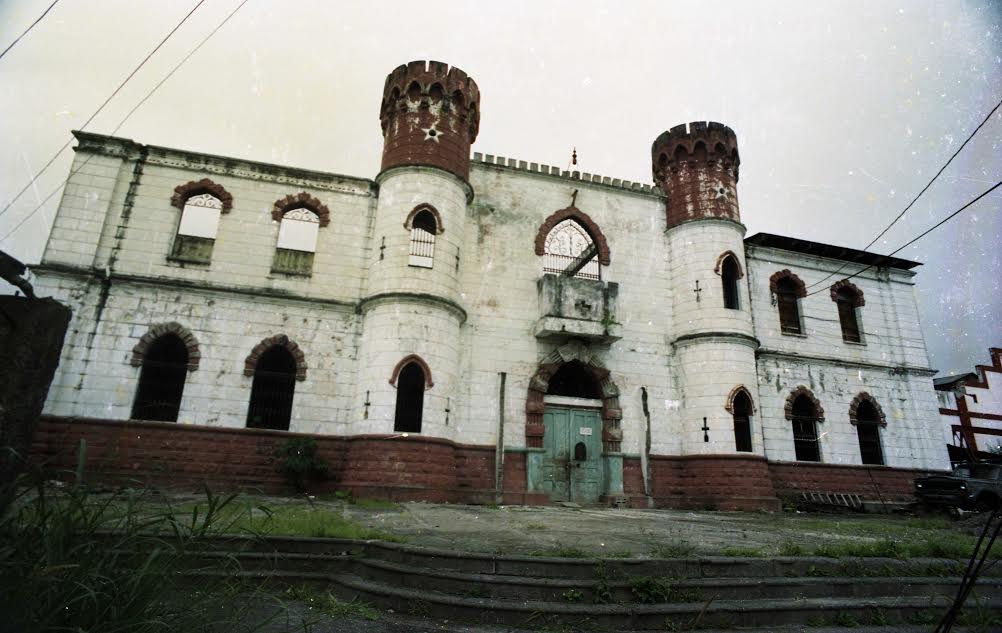
The Costa Rican Science and Culture Center located within the Children’s Museum is offering an exhibition of the history of the San José Central Penitentiary (Penitenciaría Central) a prison that functioned between 1907and 1979 and that was obligated to shut down due to the inhumane conditions the prisoners faced.
Twenty people if one cell, some sleeping on the floor and under the bunk beds, eating with their hands the little food they were given, mainly consisting in rice and beans. Every now and then they would make soup, reportedly with rats, to diversify their diet.
The Penitentiary Museum tells the complete story in an exhibit inaugurated this February 23.
Twenty-four cells located in the former prison ward which was used back in the day as an admissions area where the “less dangerous” inmates were admitted.
The old Penitentiary was actually in the same building where the Children’s Museum is now located.
The exhibit recreates the cells were inmates lived in overcrowded conditions; statues, murals, and different audiovisual resources narrate the hard days lived in this prison, since it’s early days when the prison was open and there was one cell per prisoner to its last days, where 1500 prisoners were trying to survive in a space created for 350.
“Prisoners had a small convenience store, a bar they would call the Paris Salon, a kitchen where they would try to improve the food they were given, school, workshops, tailor shop and even a church”, said Cristian Salazar, coordinator of the Museum.
“What people used to say is that nobody cared about criminals, but they forgot they were people with the same rights as everyone else, that they had to be treated with dignity and protect their physical and psychological integrity”, stated Gloria Bejarano, promoter of the project and who in 1994 took on the job of rescuing the building to create the Children’s Museum; “the idea is that people, specially kids and teens are exposed to this and consider the importance of respecting the law, to avoid being exposed to a similar reality, and of course raise awareness about human rights”.
One of the main attractions are the graffities that underwent a recovery process. A special room also recognizes the fact that Costa Rica had political prisoners; among them Costa Rican famous writers and politicians Carlos Luis Fallas and Carlos Luis Sáenz.
The history reflected in this exhibit is a product of 9 years of investigations, interviews to prisoners and their families as well as workers of the former prison and government authorities of those dates.



