


 SIGN UP FOR OUR
 By Wendy Anders
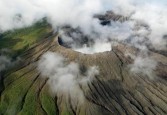
Rincon de la Vieja national park in Guanacaste has been eyed for its geothermal energy potential.
A proposal to open Costa Rica’s national parks to geothermal energy projects was dashed last week by the Legislative Assembly’s environmental commission.
After Libertarian Party legislators, Otto Guevara and Natalia Diaz, introduced the bill (number 19,339) in 2014, the initiative came under fire from a broad range of groups and also municipalities across the country, said the Costa Rican Ecological Federation, or FECON in Spanish, in a press release.
According to environmental committee members Gerardo Vargas Rojas (PUSC party), Juan Marin Quiros (PLN party) and Edgardo Araya Sibaja (FA party), “The proposal lacks compliance with technical and environmental studies that the law requires for it to be approved (…) which could result in a possible constitutional problem,” as reported in ElMundo.cr, a Costa Rican Spanish digital news source.
But the fight from such projects is not yet over. Another similar bill (number 19,233) introduced by the Citizen Action Party’s (PAC) Otton Solís to the legislature’s agricultural committee would authorize the Costa Rican Electricity Institute (ICE) to use national parks for geothermal energy projects.
Environmentalists critized the PAC’s move which they say contradicts the party’s political promises to protect national parks. Most sectors of the government are also in agreement that the parks should not be opened to energy exploration and exploitation, said Fecon.
In a statement to the legislature’s agricultural committee in September, Jorge Lobo and Mauricio Alvarez, both from Fecon, said the potential for developing geothermal energy projects outside of national parks should be fully exhausted before turning to disruption of protected lands.
They also said they the proposed legislation implies “changing the way the parks are managed, without delimiting which areas would be affected, which is no small issue, and which could bring about conflicts with existing environmental agreements.”
Currently national parks in Costa Rica have absolute protection from other uses, said Fecon.



