


 SIGN UP FOR OUR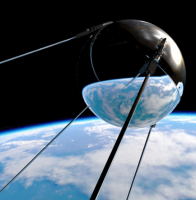
Sputnik, the original tiny satellite
Actually, weighing in at less than 10 kilos (about 25 lbs) there’s not a great deal of sophisticated work it can do, but it will rebroadcast data on fluctuations of carbon emissions from the nearly extinct Santa Rose dry forest in Guanacaste province and may later assist in helping Costa Rica reach zero carbon emissions.
(This is more than the first satellite, Sputnik, built in Russia in the 1950’s, could do. It was roughly the same size and went around the earth, announcing its presence with lonely radio beeps to show it was there. It was an expensive propaganda device.)
“There are not many nations with this capacity (to launch a satellite),” says Sandra Cauffman, the Costa Rican engineer with NASA whose Maven project will analyze the Martian atmosphere, “This definitely places Costa Rica as one of the nations with aerospace research capability.”
Besides the Central American equivalent to NASA, the satellite will have technical cooperation from the Costa Rican Technical Institute and the Ministry of the Environment. The institute will be responsible for creating the satellite’s sensors that will measure CO2 emitted from the dry forest.
Construction of the satellite will cost about $1.5 million USD but this country will have to depend on launching facilities of another country. Other than that, the home-grown apparatus will reduce dependency on other nations for space research, Cauffman notes.
Alvarado notes that this country has had some consultation with the Koreans and NASA. The project will also have cooperation of Ad Astra rocket company of Costa Rican cosmonaut and physicist Dr. Franklin Chang which has an installation in Liberia, Guanacaste.
Cauffman, who knows how expensive space launches are, notes that financing will have to come from a number of sources.



