


 SIGN UP FOR OUR


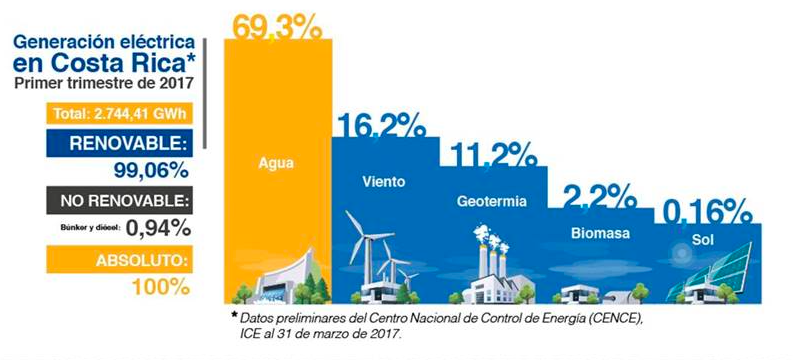
Costa Rica continues its trend of achieving near total renewable energy production with a first quarter record of 99.06 percent, said the National Energy Control Center (CENCE)
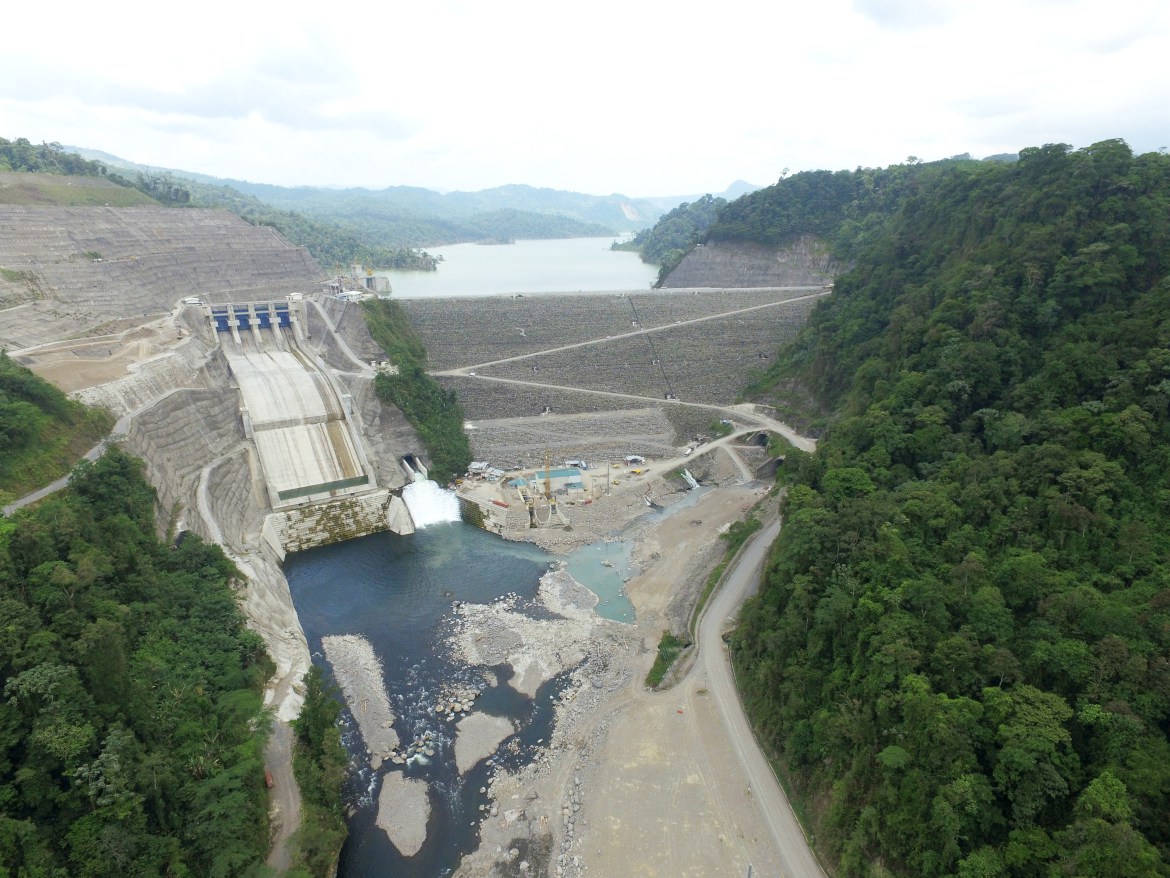
Hydroelectric makes up the bulk of energy production, which makes the renewables grid vulnerable at certain dry times of the year.
State Electrical Institute (ICE) officials said that with summer climaxing in April in Costa Rica, and sometimes lingering into May, hydroelectric plants with reservoirs are drawn on more heavily to compensate for the lack of rainfall-dependent plants. Those plants with reservoirs include the Arenal, Cachí, Pirrís, Angostura, and Reventazón.
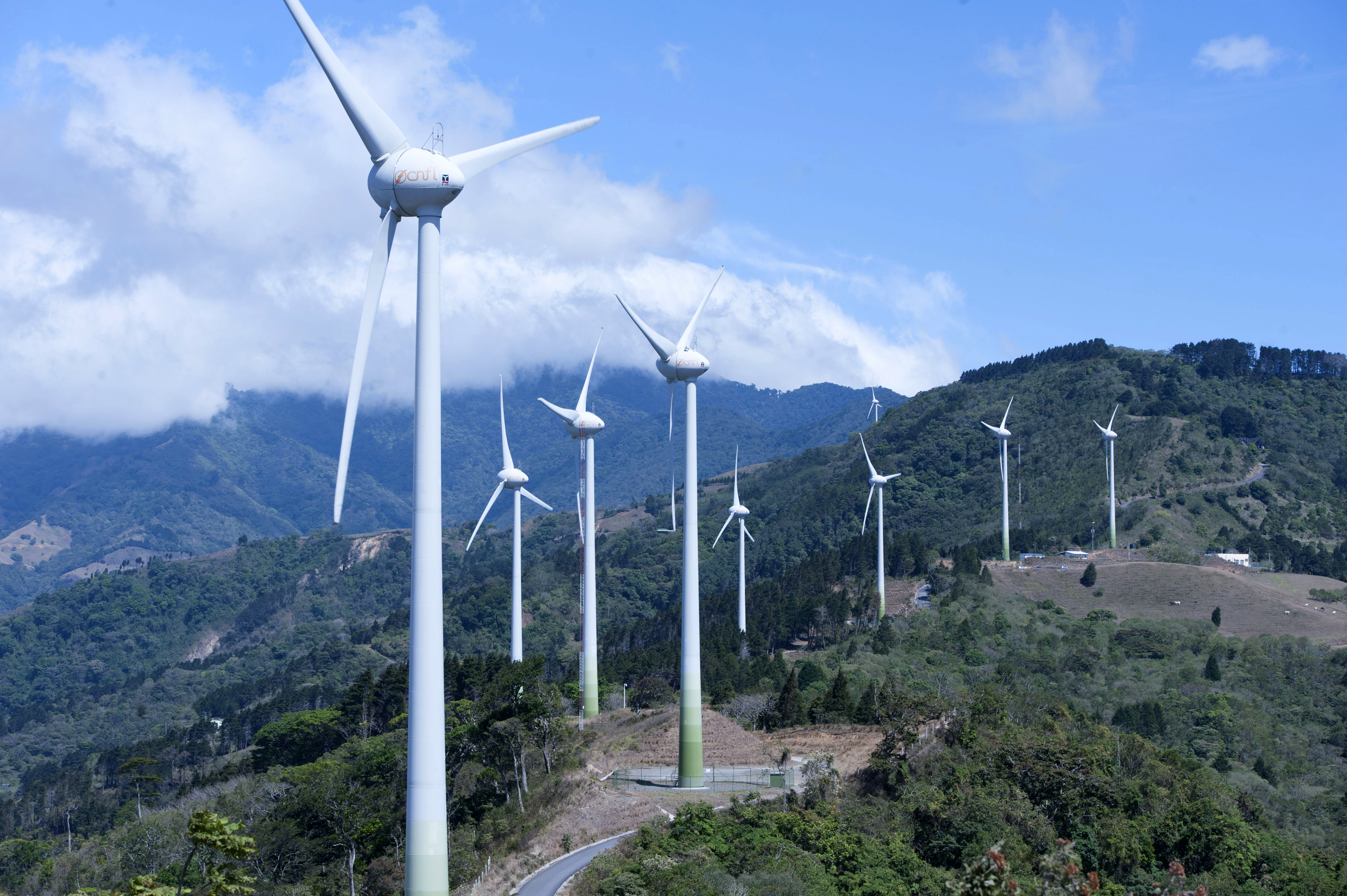
Wind is the second largest energy producer for Costa Rica, which got a boost this year with four new private plants in production, said ICE.
And geothermal generation is rebounding from damages suffered at the Miravalles III plant in northern Costa Rica from Hurricane Otto late last November.
Officials said it is likely they will have to supplement the power supply with thermal fuel plants as the dry summer weather progresses, and until steady rains can bring the remaining hydro plants into full production.
Energy generated from biomass (during the sugar cane harvest, which takes place in the dry months from January-April) and from solar are also produced in small amounts to round out the five sources of renewable energy from which Costa Rica powers almost all of its national electric grid.
In 2015 and 2016, the country averaged a renewable energy generation rate of at least 98 percent.
Of the total 2,744.41 GWh produced in the first quarter of 2017, 69.3 percent was from hydro, 16.2 percent from wind, 11.2 percent from geothermal, 2.2 percent from biomass, 0.16 percent from solar; and bunker and diesel, the one non-renewable source of electricity, was used for 0.94 percent of the country’s needs from January 1 – March 31.
It seems to go without saying that with nearly 365 days of sun, Costa Rica could readily relieve some of its dependence on hydroelectricity by boosting solar energy production. The country has made strides in upping production from other renewable sources in recent years.
Standing in stark contrast to this renewable panorama is the highly fossil-fuel dependent transportation sector, which makes a big impact on Costa Rica’s carbon footprint.
Smarter, energy-efficient private and public transportation continue too lag far behind the advances made by ICE in recent years to power the country almost exclusively from green sources.



