


 SIGN UP FOR OUR
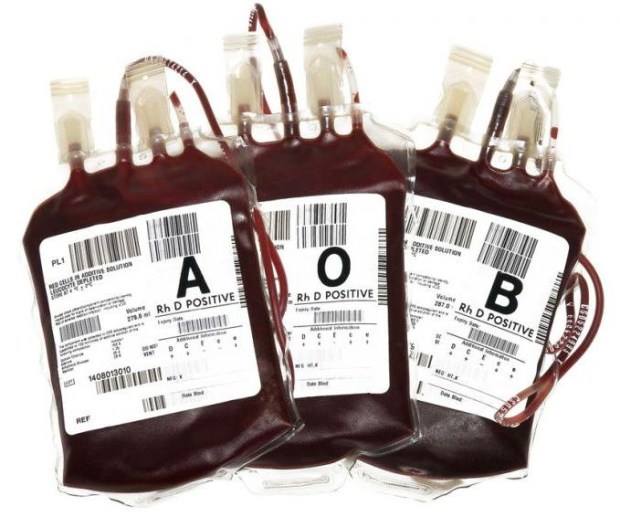
Costa Rican health authorities estimate needing 2,750 people to donate blood in March.
“Why March?” you might ask.
The public health system, run by the Costa Rican Social Security Agency (CCSS) always does an extra push for blood donations to shore up stocks in advance of April’s Holy (Easter) Week.
Holy Week, known in Spanish as Semana Santa, is, for less strict Catholics (meaning most of the country), a time to flock to the beach.
With summer temperatures in Costa Rica at their peak in April, the weeklong Easter school break means massive road trips, and, unfortunately, more accidents.
Health officials will be holding two community blood drives, one in Paso Ancho, near downtown San José on March 12, and the other in Belén, Alajuela, about 40 mins west of San José, on March 26.
The Costa Rican blood bank is open for donors every day at its headquarters in Zapote.
Donations are used for patients throughout the country with blood diseases, cancer, as well as those suffering from accidents, said Melissa Zapata Solís, director of the Bank, who said about 33 thousand donors are needed each year to meet the nation’s hospitals’ needs for this vital liquid.
Shortages can also occur during other holiday times such as December and January, again due mainly to the increase in accidents during those times, said Zapata.
Zapata encouraged people to become regular year-round donors, pledging to come in 4-5 times per year to donate, and thus help the country maintain a regular supply of blood.
The Paso Ancho drive will take place at Comunidad Pas from 8:00 a.m. to 12 noon, and the Belén drive on Sunday the 26th will be held at the Abundant Life Church (Iglesia Bautista Vida Abundante) in Bosques de Doña Rosa at the same time, said health officials.
The Zapote Blood Bank, which is on the southern side of the Catholic Church, is open during the folllowing hours: Monday through Thursday from 7:00 a.m. to 3:20 p.m., Friday from 7:00 a.m. to 3:00 p.m., and Saturday from 8:00 a.m. to noon.
The donate blood you must be between 18 and 60 years old, weigh more than 50 kilos, and be in good health, said officials.
On the day you go to donate, eat a light breakfast that does not include fatty or dairy products such as cheese, margarines, butter, cream, eggs, sausage, bacon, ham etc.; drink plenty of fluids; and, don’t forget to bring your i.d.



