


 SIGN UP FOR OUR

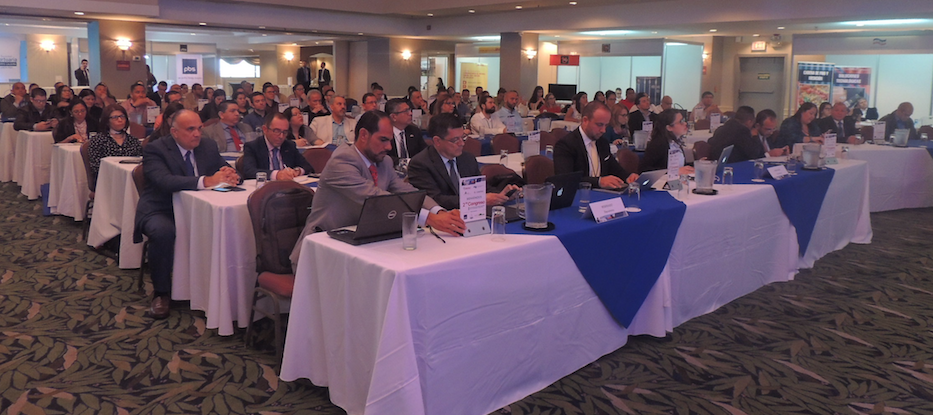
With more than six thousand kilos of cocaine and 692 kilos of marijuana confiscated from export shipments over the past five years, according to the Costa Rican Ministry of Public Security, exporters are concerned about the impact on Costa Rica’s competitiveness.
Infiltration of merchandise with illegal drugs and other substances not only affects the export sector, but is a national security concern throughout Central America, said the Chamber of Exporters of Costa Rica (Cadexco) at the conclusion of a recent conference on the topic.
At this Second Congress on Merchandise Security in the Logistics Chain, export and business leaders in Costa Rica discussed the impact of the illicit activity in the export sector and the implementation of tracing strategies to minimize the contraband activity.
On September 28, Guatemalan Army divers found 281 kilos of cocaine stashed in the submerged part of the hull of a ship docked at Puerto Quetzal. The vessel originated from Costa Rica’s Caldera Port – where another batch of cocaine was detected on a merchant ship in August – with Mexico as its final destination.
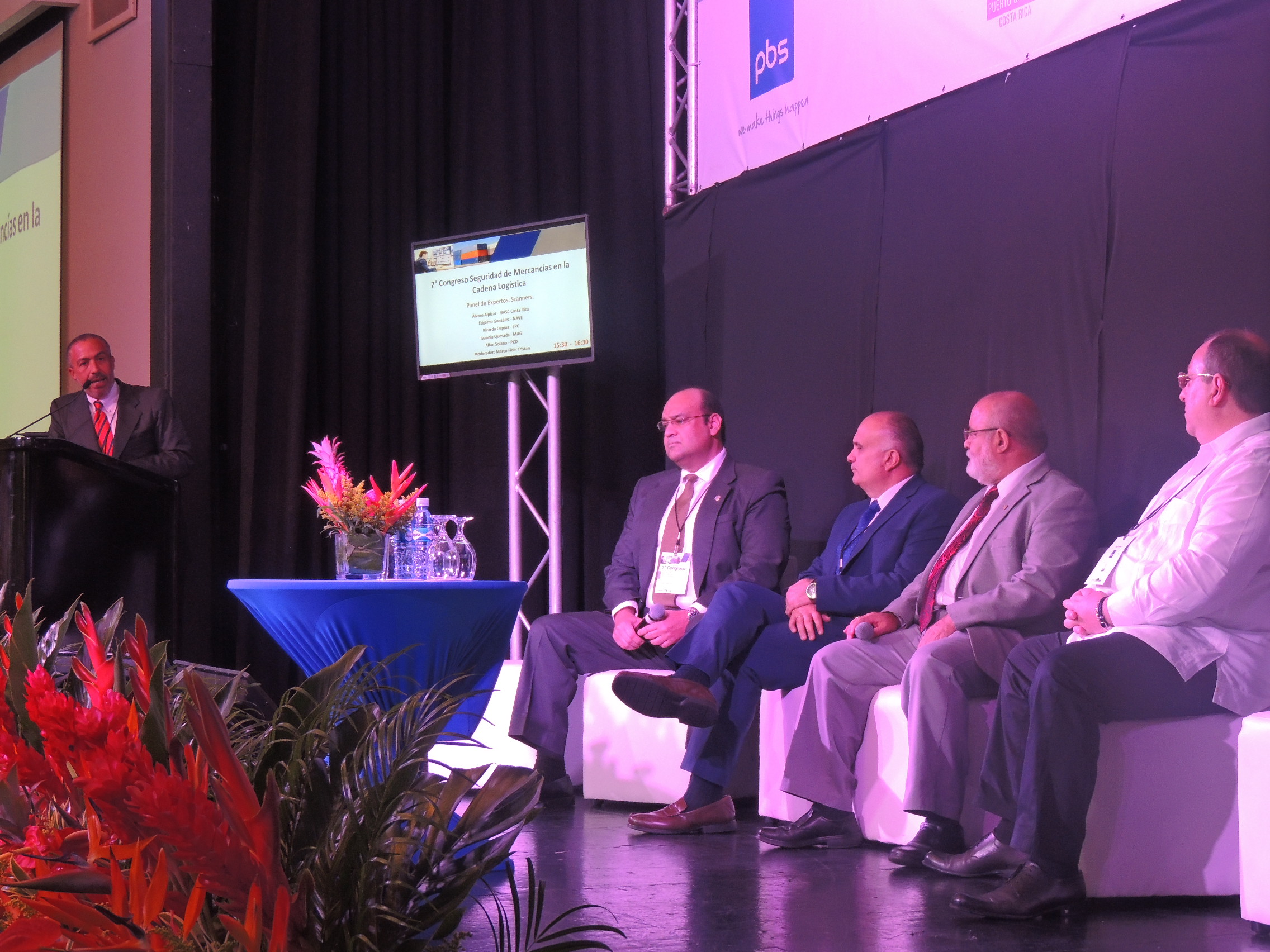
During the Cadexco congress, an expert identified and discussed the implementation of the use of scanners in Costa Rica’s ports, saying it could be carried out through a public-private collaborative effort.
This panel was composed of experts Marco Fidel Tristán, Vice President of Cadexco; Andrés Boza of SPC – a security company, Allan Solano, of the Drug Control Police, Álvaro Alpízar from BASC Costa Rica (Business Alliance for Secure Commerce); and Edgardo González from NAVE (Costa Rican shipping chamber) who analyzed the issue of drugs hidden in export products.
Other ideas suggested for attacking the problem, in addition to using scanners, included employing a risk management system to identify actors with higher risk levels, and to better align the notions of security and productivity, said a statement from Cadexco.



