


 SIGN UP FOR OUR


Off the Osa Peninsula in southern Costa Rica, scientists experiment with reviving coral reefs.
Last year things turned pretty bad for coral reefs throughout the world due to ocean warming caused by El Niño and human activities that bleached and caused death in many reefs, including those in the Golfo Dulce.
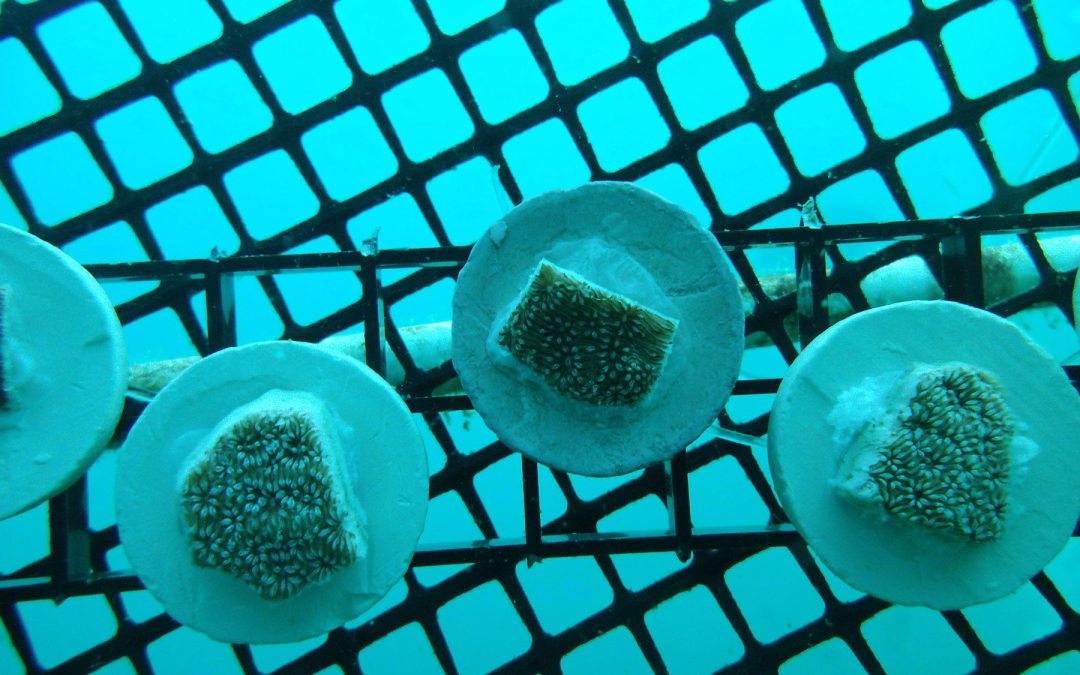
By “reforesting” the coral reef with fragments of coral “planted” in ceramic discs, a research team hopes to bring back damaged reefs in Costa Rica’s Golfo Dulce waters, reported Ojo al Clima, a climate reporting project at the University of Costa Rica. Coral is cultivated by scientists in underwater areas until they are big enough to be returned to their natural habitat.
“It’s like having a nursery where trees grow to repopulate a forest. This is just what we do,” explains Joanie Kleypas, a scientist at the U.S. National Center for Atmospheric Research (NCAR) and member of the Costa Rica team.
This is the first sustained application in Costa Rica of coral reef restoration, a technique already used to restore coral in places such as Florida, Fiji and Hawaii. The project involves an attempt to regenerate four different species of corals.
According to Kleypas, reefs today are in critical condition resulting from human activities that are causing warmer waters that bleach them, acidification that corrodes their skeletons, and sedimentation and pollution the alters marine ecosystems.
The U.S. scientist works with Costa Ricans Tatiana Villalobos, research assistant at the Center for Marine and Limnology Science Research (Cimar – UCR), and José Andrés Marín, from the Costa Rican National University (UNA).
Kleypas’ idea for the project started during her sabbatical from NCAR at Cimar-UCR, and is supported by a US$100,000 Heinz prize which she won in 2011 to develop a reef restoration project.
The team planted the first pieces of regenerated coral last July, and have visited the site at least once a month since then, said the report in Ojo al Clima.
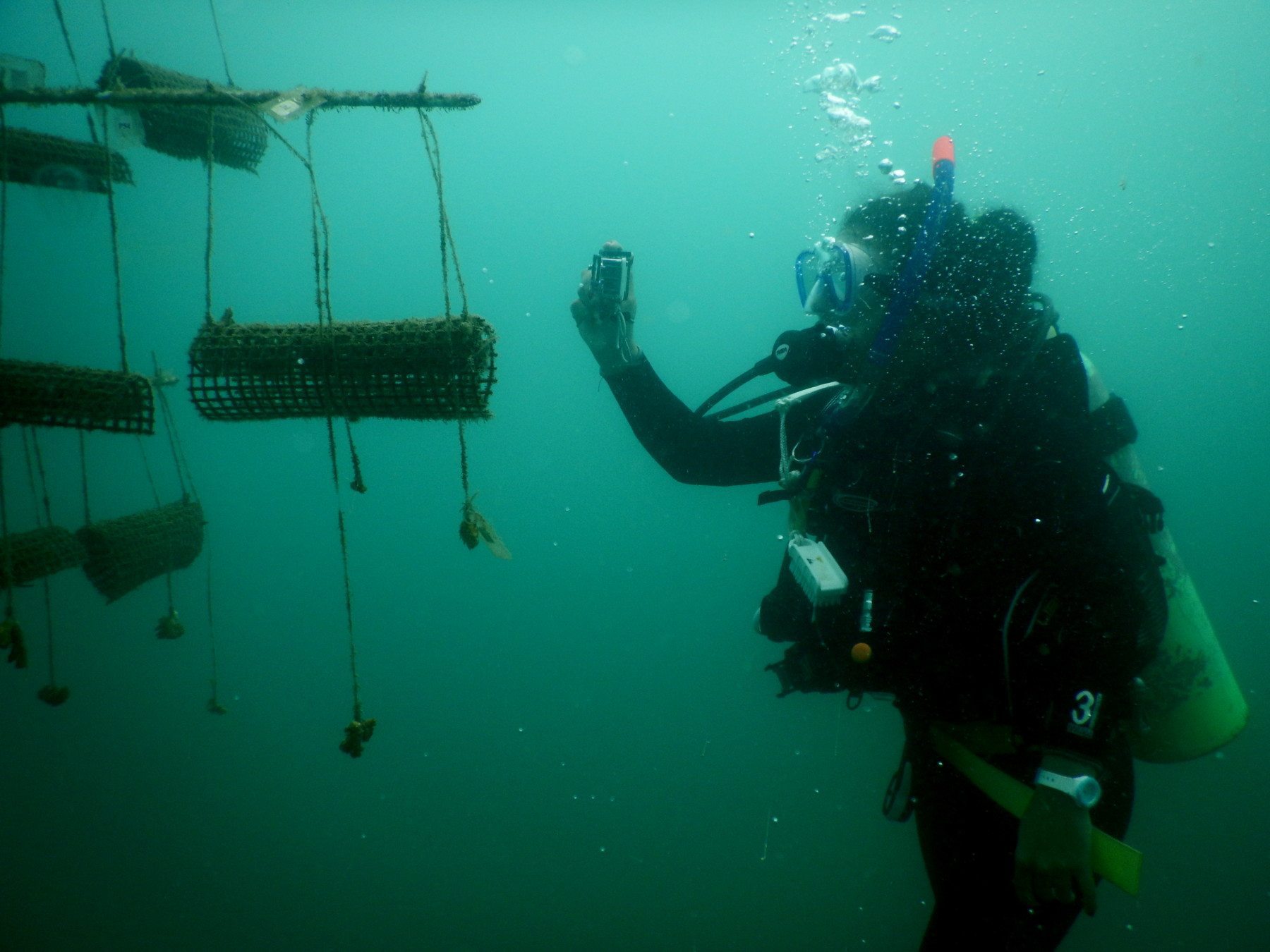
The coral grew steadily, and in a few months the pieces were ready to be transplanted from the sheltered underground nursery to their natural habitat. The mature corals were placed in a segment of the reef that had died, filling an area about the size of a lap top computer.
During the latest visit by the research team, newly regenerated coral segments were brought from the UCR laboratory to be placed in the underwater nursery for an eventual second round of “reforesting.” The planting took about two hours of underwater work by the team.
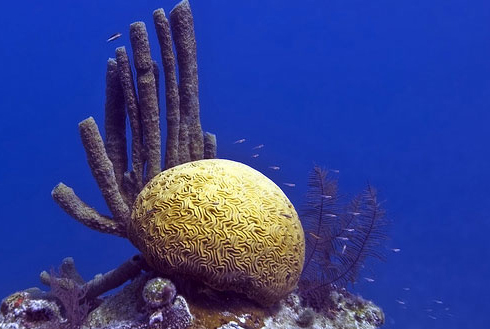
Coral reefs are amazing underwater ecosystems that are home to about 25 percent of marine species, even though they only occupy 0.1 percent of the world’s oceans. This is why the metaphor of an underwater jungle can be so aptly applied to these biodiverse colonies.
Researchers also take small pieces of live coral (approximately two handfuls) to take back to the laboratory which serve as a “donor colonies” for propagating new coral that will then be returned to the area. Harvesting the pieces involves sawing them off with a very strong, precise tool.
Visitors at the Nicuesa Lodge Hotel, situated near the research site, often stop by and take interest in the scientists’ work handling and storing the coral fragments they will take back to the lab.
“Going to see the reefs is one of the main tourist attractions here,” says Allan Sanabria, hotel manager. The health of the corals is critical to local tourism, as well as maintaining a healthy fish population and coast.
According to the latest report by the Intergovernmental Panel on Climate Change, published in 2015, 75 percent of the world’s corals are expected to suffer severe whitening by the middle of the century.
“Coral restoration can give us an extra 10, 50 or 100 years, but if ocean temperatures continue to rise, there will not be much hope,” said Dave Vaughan, executive director of the Mote Tropical Research Laboratory in Summerland Key, Florida and manager of the Lab’s Coral Restoration program, who visited to Golfo Dulce project last year.
“For centuries we have known that we can reforest, but for the first time in history we have the technology to do the same with corals,” continued Vaughan.
“I call it our Noah’s Ark period. What are we going to do between now and when things get better? We have to find a way to maintain these ecosystems,” said Kleypas.



