


 SIGN UP FOR OUR
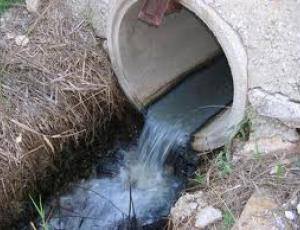
Costa Rica now has its first national policy on wastewater sanitation and a funding plan that includes $520 million in infrastructure to provide long-awaited, significant improvements to the country’s public and environmental health.
This policy is the result of priorities established in the National Development Plan (PND) created under the current administration. These include strengthening institutions and investing in water sanitation, a service which is surprisingly undeveloped in a country which prides itself on excellence in many areas of public health.
“Costa Rica must have a clear plan for the sanitation of wastewater … [and the] foundation that gives citizens the certainty that institutions are clear on how to address and solve problems that have a direct impact on their health, well-being, and quality of life,” said President of the Republic Luis Guillermo Solís Rivera.
The policy, which outlines plans from 2016-2045, is the product of debates and discussions carried out between national and international consultants, together with officials from a number of government institutions including the Ministry of Health, the Water and Sewerage Agency (AyA), the Ministry of Environment and Energy, the Ministry of Development and Planning, local municipal governments, local water departments, and public universities.
The AyA has already initiated the execution of projects in several parts of the country. One of them is the Environmental Improvement Program in the Metropolitan Area of San José, with an investment of over $345 million. In 2015, the “Los Tajos” Wastewater Treatment Plant began operating, and the sewerage network will continue to link a total of 11 cantons spanning 360 km2, a project which is expected to be complete in 2021.
Several projects, which are currently in the feasibility study stage, are planned for the coastal locations of Playas del Coco, Nicoya, Puntarenas, Jacó, Quepos, and Golfito on the Pacific coast, and Puerto Viejo, Moín and Limón City on the Atlantic coast. These are considered priority towns under the national sanitation investment plan, said Yamileth Astorga, AyA executive president, and are estimated to require $175 million in financing.
The virtual nonexistence of wastewater treatment in Costa Rica’s urban areas means rivers carry contaminated water through densely populated urban areas and on through other areas to beaches and the ocean, putting the health of a large part of the population at risk, as well as disturbing numerous ecosystems situated along the country’s main watersheds.



