


 SIGN UP FOR OUR
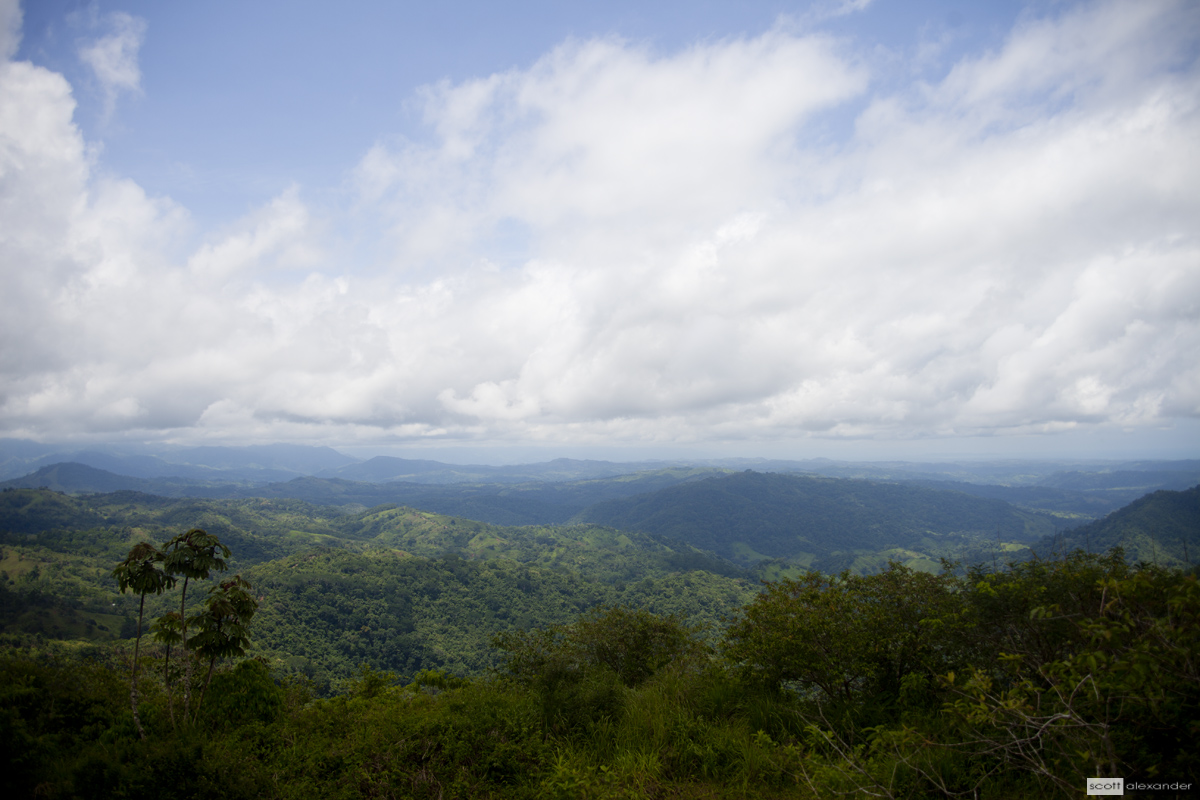
The Costa Rican nonprofit group, Asociación Mar a Mar (The Sea to Sea Association), is developing a unique outdoor experience that will allow hikers to traverse the country from the Atlantic to the Pacific Coast in two weeks. The trail is called El Camino de Costa Rica.
“Our aim is to have every hiker in the world want to walk El Camino de Costa Rica, or part of it, at least once in their lifetime,” said Mar a Mar representatives on their IndieGoGo page.
The group says this “new international tourism opportunity will offer unparalleled hiking challenges, and allow visitors to experience many natural and cultural attractions of Costa Rica,” along the trail’s 250 km stretch.
The trail would also allow remote rural areas to join in the economic opportunities offered by tourism to many coastal towns.
The trail would lead travelers through rural towns where they could stop for food, supplies, and lodging before continuing on their way, and organizers say the initiative will support “socially inclusive economic development of rural towns as part of the project’s main goals.”
Mar a Mar is made up of 23 partners, including business leaders, tourism operators, local leaders and hikers, and was established as a nonprofit association in Costa Rica in November 2016.
Over the past year, the group has successfully promoted the idea among naturalists in Costa Rica, as well as governmental agencies who are supportive.
To begin laying the groundwork for the project, Mar a Mar has met and established relationships in towns along the trail with lodges, community leaders, and cooperatives such as Coopearruco in Orosi.
“El Camino de Costa Rica goes on public roads as well as through indigenous lands. Of the 15 towns where hikers would sleep, all but 5 already have capacity for at least 20 tourists,” say the trail organizers who have led visitors on seven of the trail’s 15 sections on day hikes over the past year and saw the first hiker complete the entire trail in February.
But though the path has been clearly mapped out on the ground, the project has some hurdles remaining, such as funding for a project manager who would leverage funds to mark, maintain and improve the trail with its bridges and other safety precautions needed during the rainy season.
“The trail will promote carbon neutral tourism, which is sustainable, affordable, and most importantly respects Costa Rica’s natural environment and cultural traditions,” said Mar a Mar, and will also start to include indigenous communities in the economic benefits of tourism from which they have been excluded to date.
Donations to the project can be made via the IndieGoGo page.



