


 SIGN UP FOR OUR
 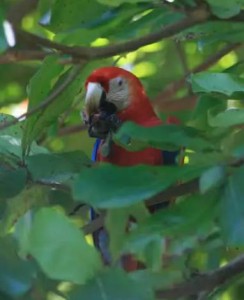 A recent expedition led by Rich Hoyer for Wings, Inc. -a renowned provider of birding tours worldwide– started quietly with only about 30 species on the first day. Outside of San Jose, Mr, Hoyer spotted only a few birds in the hotel gardens and a coffee farm; in fact, he spotted more diversity of butterfly species than birds. He was hoping to spot the ground-sparrow (Melozone or Cabanis biarcuatum) that is commonly found in the Central Valley and might be isolated from the rest of the American sparrows.
No luck for Mr. Hoyer that day as the ground-sparrow remained elusive. The next day, however, was full of birdwatching goodness for the Wings tour group. Dozens of “lifers”, with some lucky birdwatchers getting more than 50. In birdwatching parlance, “lifer” is the term used to describe seeing a live bird species for the first time. A great amount of lifers can give bragging rights in birdwatching circles, and thus novices who come to Costa Rica on guided tours can easily increase their lifer count in just a few days.
On his Birder Naturalist blog, Mr. Hoyer described the progress at the halfway point of the 14-day tour:
“Some participants have had over 200 lifers out of over 300 species that we’ve tallied, and except for our first morning at Tapantí National Park we haven’t even touched the Caribbean Slope yet.”
“One participant in my group passed her 1000th lifer today. It came a whirlwind of species mobbing a Ferruginous Pygmy-Owl, and it was either Scaly-breasted, Cinnamon, or Mangrove Hummingbird (the latter a Costa Rican endemic), or Spot-breasted Oriole, that achieved the honor as her millennial lifer.”
The Mangrove Hummingbird (Amazilia boucardi), is endemic and unique to Costa Rica, and it is just one of our many colibries or gorriones (hummingbirds). This handsome white-bellied hummingbird feeds on pinuela (also known as mangrove tea), and it is sadly endangered due to years of deforestation prior to our country’s shift to eco-friendly legislation in the mid-1970s. To the lady in the Wings birding tour group, having counted this mangrove bird as her number 1000 lifer was probably a unique experience.
Even in a species-rich place like Costa Rica, birding does not come without challenges. On the narrative of his most recent expedition, Mr. Hoyer described a birdless afternoon when he resorted to imitating bird calls (an advanced aspect of birdwatching) to get the attention of an endemic Ochraceous Wren (Troglodytes ochraceus – soterrey) songbird. Instead of a soterrey, a Glaucidium pygmy owl (lechuza) responded the call and came within binocular range.
In the later days of the tour, Mr. Hoyer’s group spotted hundreds of bird species to add to their list, including a magnificent Quetzal pair. One of the final sightings took place at La Paz Waterfall Gardens, where a pretty rualdo cejidorado songbird (Chlorophonia callophrys) was feeding among the matapalos.
Looking at the entire and detailed bird list of the tour, once can see the amazing diversity and abundance of bird species in our country. Costa Rica is a haven for birdwatchers, who are some of the nicest tourists our country can hope for due to their love of nature and interest in making sure it remains pristine.



