


 SIGN UP FOR OUR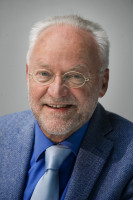
A happy man who studies happiness: Prof. Ruut Veenhoven
Although Costa Rica’s number one position on the World Database of Happiness has been publicized ad nauseam, skeptics and detractors have questioned the validity of the research. How can the people of a developing country with limited resources and a conservative, social-democratic system government riddled with corruption and bureaucracy be the happiest in the world?
The World Database of Happiness is not the only life satisfaction report where Costa Rica gets a top rank. In April 2012, The Costa Rica Star reported on our country’s slipping few spots down to number 12 on the respected World Happiness Report. Denmark is another mainstay top-ranked nation in life satisfaction and happiness reports; the European country has suggested that the secret to the happiness of her people is strongly supported by smart economic policies, public welfare, work-life balance, education, national pride, and other facts of Danish life.
Since the World Database of Happiness collects data by means of directly questioning people living in different countries, critics claim that Ticos’ natural disposition to express contentment may be throwing off research. It is interesting to note, however, that two other Latin American nations are in the top ten of the World Database of Happiness: Mexico at number 7 and our neighbor Panama at number 10. It is somehow easier to accept happy Danes than happy Ticos.
To Professor Ruut Veenhoven, Director of the World Database of Happiness and Emeritus professor of social conditions for human happiness at the Erasmus University in Rotterdam, the data collected in the measurement of hedonic level of affect and perceived realization of what people want (contentment) offers opportunities to crack the mysterious happy code.
After years of researching happiness, Prof. Veenhoven has discovered a negative correlation between goals and contentment. In fact, unhappy people are more likely to be aware of their goals. Speaking to the BBC, the Dutch Professor explained that the strongest correlation he has observed has to do with individual levels of activity. Active people tend to be happier.
As we go through life, our levels of happiness change over time. Being older and wiser may translate into being happier as long as we focus on certain aspects of life such as:
- Staying active
- Nurturing long-term relationships
- Keep good friends close
- Drink alcoholic beverages in moderation
- Promote gender equality
- Trying to spend less time commuting
- Moving to Costa Rica
The last aspect on the list above can only be explained by thinking about the Tico mindset when asked a question such as:
“Taking all together, how satisfied or dissatisfied are you with your life-as-a-whole these days?”
If you guessed that most Ticos will answer “Pura Vida” to the question above, then that is all you need to understand about Costa Rica’s number one spot on the World Database of Happiness. This state of mind, however, is being threatened by an increased consumer culture, globalization and Costa Rica’s race to exiting the Third World. The Costa Rica Star has already written on the effect of Marketing the Hedonic Treadmill to the People of Costa Rica. Should the hedonic treadmill prevail in our country, Ticos may lose their cherished status as the happiest people in the world.



